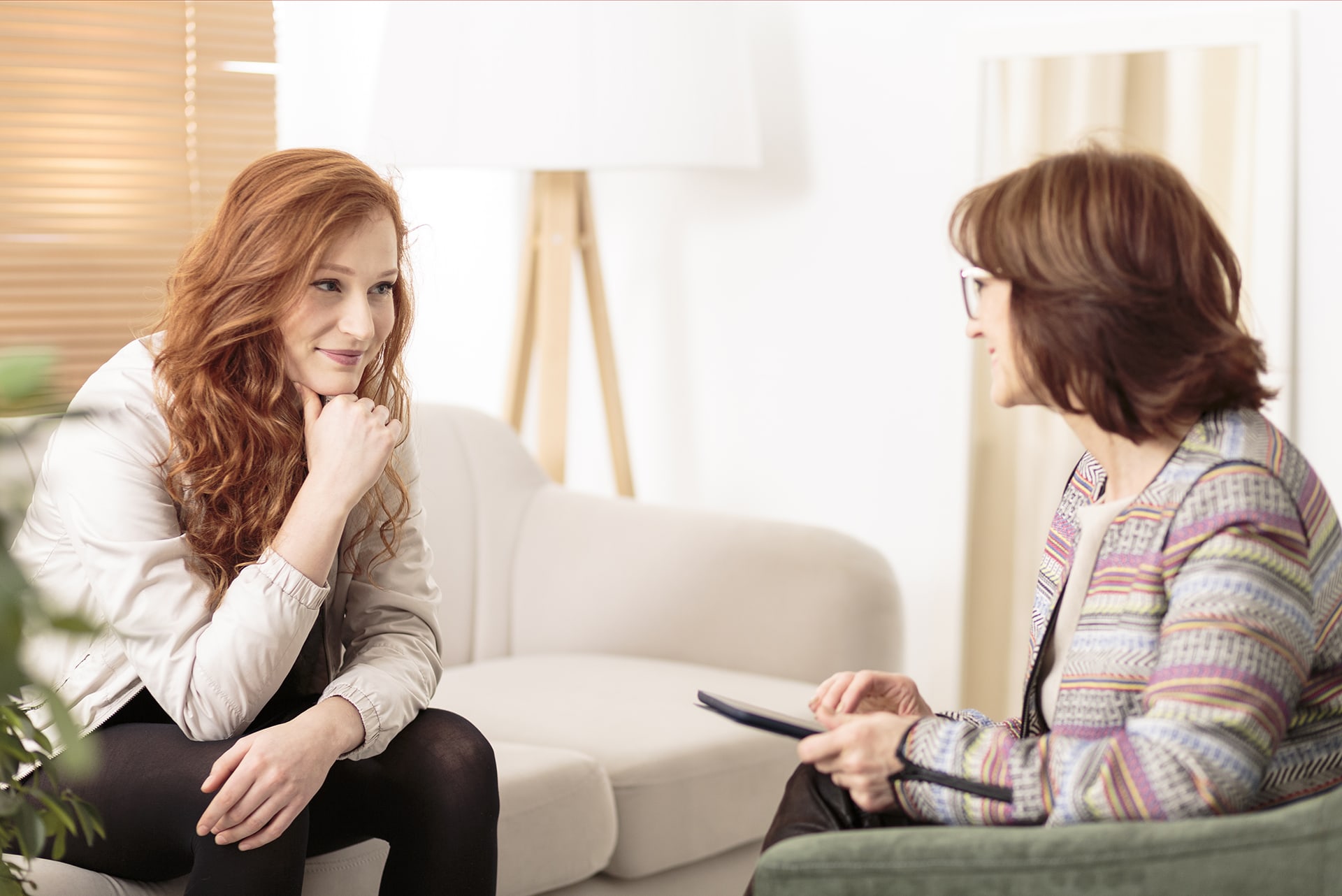
R U OK Day falls on Thursday 10 September this year, and it's a simple but powerful reminder: a genuine conversation can make a real difference to someone who's struggling. For people with disability, that conversation matters just as much, if not more. At Tenax Supports, we see every day how the right environment and the right people around someone can support their wellbeing. This isn't about replacing professional care, it's about the everyday human connection that helps people feel seen.
Why R U OK Day Matters for People With Disability
R U OK Day encourages all of us to check in with friends, family, colleagues and neighbours, not just on one day, but as a habit. For people with disability, this message is especially relevant. Mental health and disability are often connected, and a check-in from someone who genuinely cares can be a meaningful moment in someone's day or week.
The Added Pressures People With Disability Can Face
Living with disability can bring extra social and emotional load that isn't always visible from the outside. Some people experience isolation if they don't have easy access to transport, social opportunities or a wide circle of friends. Others navigate the ongoing task of coordinating supports, appointments and services, which can be tiring in itself. Communication differences can also make it harder for someone to reach out or be understood when they are doing it tough. None of these pressures are the same for everyone, but they're worth being aware of when we think about who might need a check-in.
How a Good Support Environment Can Help
A stable, respectful support environment can play a genuinely positive role in someone's day-to-day wellbeing. Supported Independent Living (SIL), for example, gives people a home environment built around consistency, dignity and choice, which can reduce a lot of the background stress that comes from uncertainty. In-Home Support can offer familiar faces and routine for people who want to stay in their own home. Community Access helps people build social connections and stay engaged with the world around them, which matters for anyone's sense of wellbeing.
It's important to be clear about what this support is and isn't. Tenax support workers are not mental health clinicians, and our services are not a substitute for therapy, counselling or clinical treatment. What we can offer is consistency, familiarity and genuine care, the kind of everyday support that helps create the conditions for someone to feel more settled and connected.
How to Genuinely Check In on Someone
R U OK Day promotes a simple four-step approach that anyone can use, whether you're a family member, friend, support worker or neighbour.
Ask. Pick a moment when you both have time and privacy, and ask how they're really going. A simple, direct "are you okay?" can open the door.
Listen. Give the person space to answer without rushing to fix things or offer advice straight away. Sometimes being heard is what matters most.
Encourage action. Gently ask what might help, and if it feels right, suggest they speak with someone they trust, a GP, or a support line. Small steps count.
Check back in. Follow up a few days or weeks later. Knowing someone remembers and cares can mean a lot, and it shows the conversation wasn't a one-off.
When to Seek Further Support
A caring conversation is valuable, but it isn't a substitute for professional help when someone needs it. If you or someone you know is struggling, Lifeline (13 11 14) and Beyond Blue (1300 22 4636) are both available for confidential support. Encouraging someone to reach out to one of these services, or to their GP, is one of the most helpful things you can do after a conversation.
This R U OK Day, take a moment to check in with someone in your life, whether that's a family member, a friend, a participant you support, or a colleague. It doesn't need to be a big gesture. Sometimes it's the small, consistent moments of care that make the biggest difference.
Frequently Asked Questions
Does Tenax Supports provide mental health treatment or counselling?
No. Tenax Supports provides Supported Independent Living, Support Coordination, In-Home Support and Community Access. We are not a clinical mental health service, and we always encourage participants to access appropriate clinical support, such as a GP or mental health professional, when needed.
How can Supported Independent Living support someone's wellbeing?
A stable, respectful home environment with consistent, caring support workers can reduce everyday stress and help someone feel more settled. It's not a replacement for clinical care, but it can be a positive part of someone's overall wellbeing.
What should I do if someone tells me they're not okay?
Listen without judgment, take what they say seriously, and gently encourage them to seek further support if needed. Services like Lifeline (13 11 14) and Beyond Blue (1300 22 4636) are available for confidential support at any time.
How does Community Access help with social connection?
Community Access supports people to get out, take part in activities and connect with others in ways that suit them. Social connection is an important part of everyday wellbeing for many people.
If you'd like to learn more about how Tenax Supports can support you or someone you care about, reach out through our contact or enquiry page today.