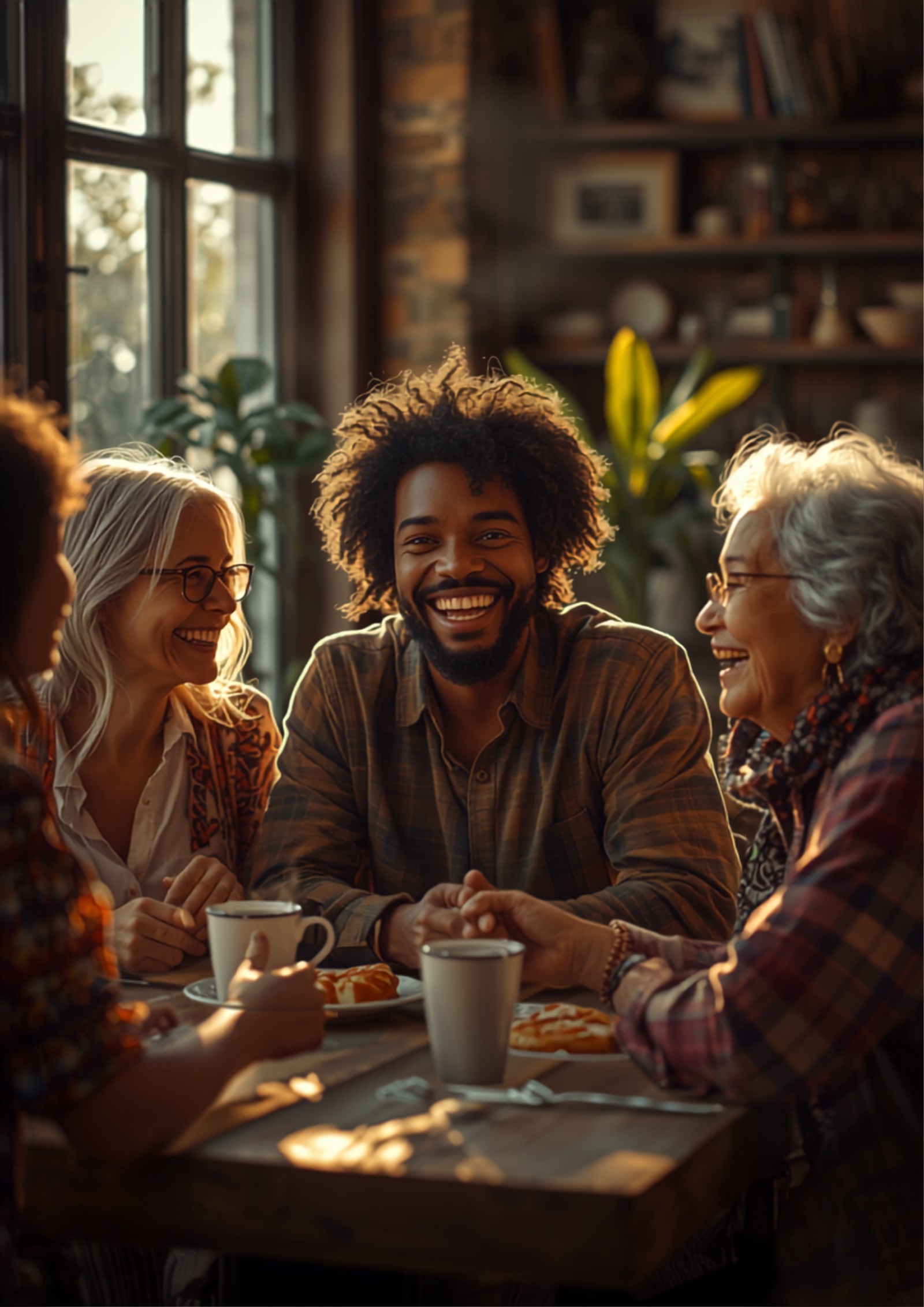
People with disability are significantly more likely to be socially isolated than the general population. Barriers like transport, accessibility, fatigue, and the simple fact that many social activities aren't disability-friendly mean that many people with disability spend most of their time at home with limited peer connection.
Loneliness and isolation have serious health consequences—they're linked to depression, anxiety, and worse physical health outcomes. But isolation isn't inevitable. NDIS community participation support, peer groups, and intentional connection-building can help people with disability build genuine community and reduce loneliness.
Why Social Isolation Happens in Disability
Transport barriers are huge: if you can't drive or accessing public transport is difficult, you can't get to social activities. Fatigue or pain means some days you can't go out at all. And many social activities—bars, restaurants, clubs—aren't accessible or are too overwhelming sensorily for people with hearing loss, sensory sensitivities, or mobility issues.
There's also the emotional aspect: if you've experienced discrimination or felt othered socially, withdrawing can feel safer than risking rejection. And for people with communication differences, social situations can be exhausting or confusing if others don't understand how to communicate with you.
The Health Impact of Loneliness
Loneliness is a serious health risk—it's linked to depression, anxiety, increased substance use, and worse physical health outcomes. For people with disability, loneliness often compounds existing mental health struggles and makes managing physical health harder.
But loneliness isn't just about the number of people around; it's about connection and feeling understood. Someone can be surrounded by people and still feel lonely, or be alone a lot but feel connected through one or two meaningful relationships or a peer group.
NDIS Community Participation and Peer Support
Community participation funding in NDIS can cover transport to social activities, funding for activities themselves, and help accessing mainstream community. This might mean paying for someone to take you to a hobby or interest group, or funding membership in a club or community group.
Peer support—connections with other people who have disability and understand what that's like—is often the most powerful. NDIS can fund people to support you to access peer groups, or can directly fund peer support services where trained peers provide support and connection.
Building Meaningful Connection
Meaningful connection usually comes from shared interests or experiences, not just shared disability. Help finding groups around your interests—whether that's music, gaming, crafts, disability advocacy, or sport—is often more successful than generic disability groups, though those have their place too.
Sometimes connection happens online—disability communities, hobby forums, multiplayer games. If physical access to community is limited, online connection can be genuinely meaningful and should be supported as part of community participation.
Frequently Asked Questions
Can NDIS funding pay for social activities?
Yes, community participation is a fundable NDIS support. This includes transport to activities, funding for the activities themselves, support accessing mainstream community, and sometimes peer support groups.
What if I don't want to be around other people with disability?
That's fine—connection can come from shared interests rather than shared disability. NDIS community participation can fund activities around your interests with whatever community you feel comfortable in.
Is online connection counted as community participation?
Increasingly yes. Online communities can provide genuine connection and support. If it's meaningful to you and aligns with your goals, it can be part of your NDIS plan.
Social isolation is one of the most serious health impacts of disability, and one of the most preventable. Tenax's community participation support and connections to peer groups help participants build lasting relationships and feel genuinely connected.