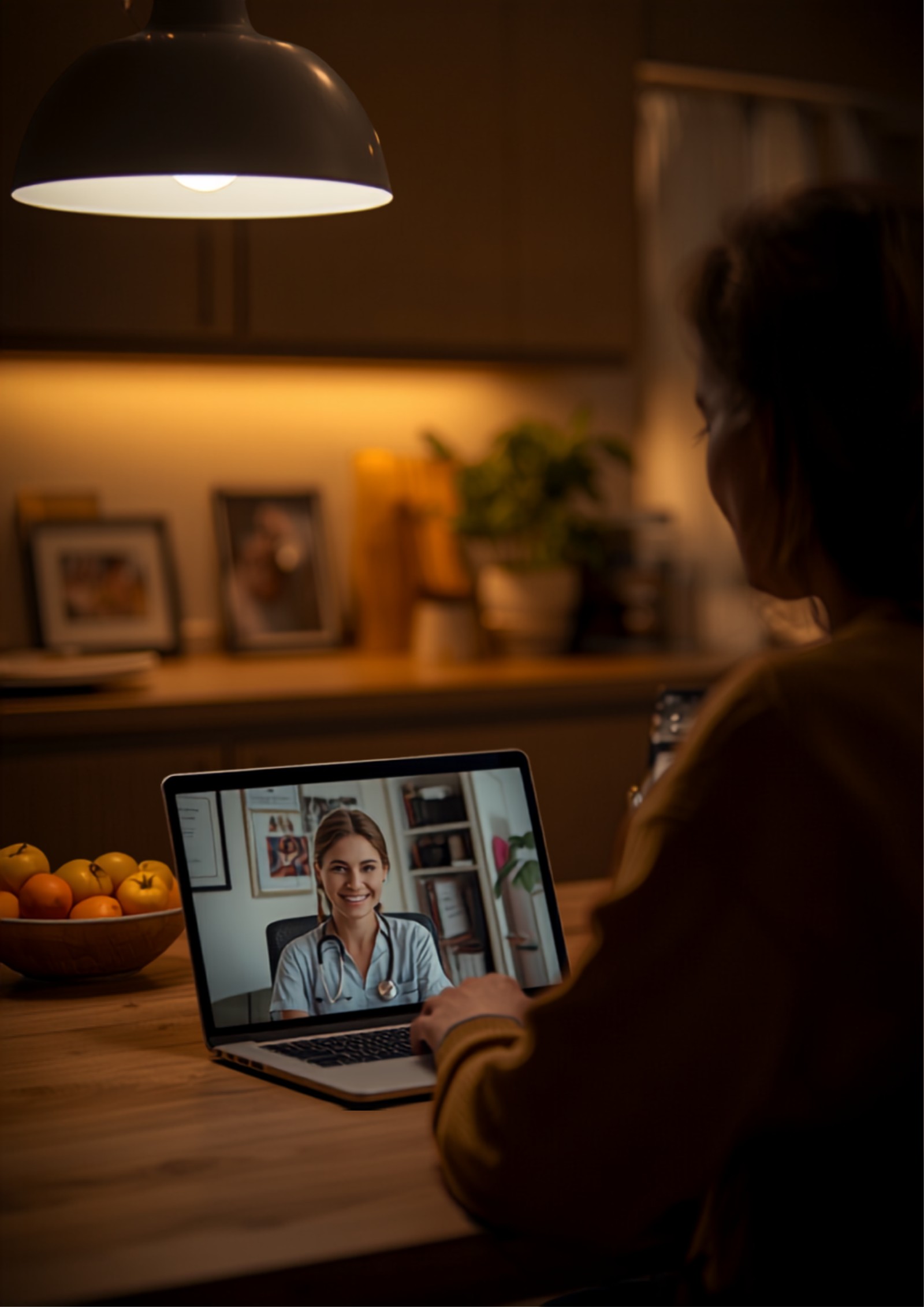
For many NDIS participants—especially those in regional or remote areas—accessing allied health has always been difficult. Telehealth has changed that, making physiotherapy, occupational therapy, and speech pathology accessible from home. But not all services work equally well online, and knowing what to expect helps.
This article covers what telehealth allied health looks like in practice, which services are most effective remotely, how to set up successful sessions, and what NDIS funding looks like for telehealth providers.
Which Allied Health Services Work Well Via Telehealth
Assessment and planning work particularly well via telehealth: psychology, speech pathology assessment, occupational therapy functional assessment, and physiotherapy screening can all happen effectively online with a patient who can participate actively.
Skills coaching and education also transfer well: a physiotherapist teaching you an exercise programme, an OT coaching you through energy management strategies, a speech pathologist working on speech clarity or communication techniques. Hands-on passive treatment (massage, stretching, manipulation) doesn't work as well remotely, but many physios now combine telehealth sessions (teaching, planning) with in-person or home visits when needed.
Technology and Environment Setup
Successful telehealth sessions need decent internet (stable, not just fast), a quiet space, good lighting so the practitioner can see you, and ideally a camera angle that lets them observe your movements if needed. Having a support person in the room sometimes helps, especially if you need assistance or are new to telehealth.
Some NDIS funding can go toward the technology setup: a tablet, webcam, or better internet connection. It's worth asking your support coordinator or provider if this is possible, since removing technology barriers can open up access.
Getting Started with Telehealth Services
Talk to your current providers about telehealth options, or ask your support coordinator for providers who offer remote services. Many providers now have both in-person and telehealth options and can tailor the mix to your needs—maybe monthly in-person sessions for hands-on work and fortnightly telehealth between them.
Be clear about what you're hoping to achieve. Telehealth works best when there's a specific goal: improving mobility, problem-solving around communication, or building executive function skills. Open-ended sessions can feel less purposeful remotely.
NDIS Funding for Telehealth
Most NDIS funding for allied health covers both in-person and telehealth equally—there's no discount for telehealth, and pricing is generally the same. Telehealth can be particularly cost-effective for remote participants since it eliminates travel time, meaning more of the appointment is spent on actual therapy.
Check your plan: it should specify whether you can use telehealth or whether services must be in-person. Most modern plans allow both; some older plans may need updating at the next review to explicitly include telehealth.
Frequently Asked Questions
Is telehealth as effective as in-person therapy?
For assessment, planning, and skills coaching, yes—research shows telehealth is just as effective. For hands-on treatment (massage, stretching), in-person is better, but many practitioners now use a blended model.
What if my internet isn't great?
This is worth discussing with your provider—some can work with low bandwidth, and some appointments (mainly listening/talking) work better on poor connections than those requiring detailed observation of movement.
Can telehealth services be funded through NDIS?
Yes, most NDIS plans fund telehealth allied health services at the same rate as in-person. Check your plan wording or ask your support coordinator.
Telehealth has made allied health accessible to participants who would otherwise travel hours for a single appointment. Tenax offers telehealth physiotherapy, occupational therapy, and speech pathology, alongside in-person services where hands-on work is needed.