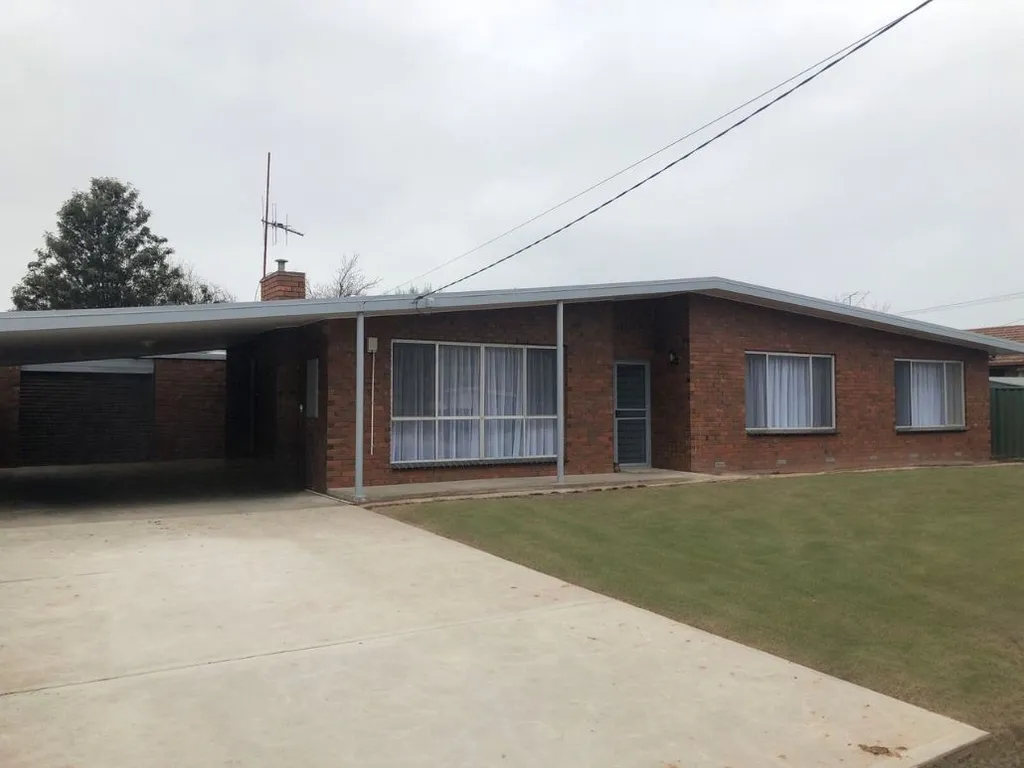
If you're a family in regional Victoria trying to work out what Supported Independent Living (SIL) actually means and whether it's the right fit, you're not alone. Many families start this search after a planning meeting, a hospital discharge conversation, or simply a growing sense that their loved one is ready for more independence. The information out there is often written for metro areas, which doesn't always translate to life in a country town where services, distances and community connections work differently. This guide breaks down SIL in plain language and outlines what regional families should look for in a support provider.
What is SIL, in simple terms
Supported Independent Living is NDIS-funded support that helps a person live as independently as possible, whether that's in their own home, shared housing, or another living arrangement. It can include help with daily tasks like cooking, cleaning and personal care, support with building life skills, and overnight or round-the-clock assistance depending on what's written into a participant's plan. SIL is about the support itself, not necessarily a specific building or property. A person's SIL supports can be delivered wherever they live, which matters a lot for regional families weighing up their housing options alongside their support needs.
What to look for in a regional SIL support provider
Choosing a provider is a bigger decision in a country town than it might be in the city, simply because there are usually fewer options nearby. A few things are worth checking before you commit to anyone.
First, confirm the provider is registered with the NDIS Commission for SIL, and ask to see how they meet the relevant practice standards. Second, pay attention to how they communicate. Regional families often deal with patchy mobile coverage, longer travel times and fewer in-person options, so a provider who is responsive by phone or email and willing to have honest conversations about what they can and can't offer is worth more than one with a flashy brochure. Third, look for flexibility. Rosters, staffing and even weather can affect regional service delivery differently than in metro areas, so ask how a provider handles staff shortages, last-minute changes, or covering large distances between visits. Finally, local knowledge matters. A provider who understands the town, the community services, and the practical realities of your area will generally set up support that actually works day to day, rather than a one-size-fits-all model built for the city.
Where Tenax provides SIL support across regional Victoria
Tenax Supports is a registered NDIS provider working with families across regional Victoria to arrange SIL support that fits their circumstances. We currently support participants with SIL support in Ballarat, SIL support in Bendigo, SIL support in Echuca, SIL support in Horsham, SIL support in Mildura, SIL support in Traralgon, SIL support in Wangaratta, SIL support in Warrnambool and SIL support in Wodonga. In each of these areas, our team works with participants and families to design support around the person's existing living arrangement and goals, rather than requiring a move to a set property. If you're in or near one of these towns, reaching out is the best way to talk through what's possible for your situation.
How regional support can look different from metro support
Support in a regional area isn't a smaller version of a metro service, it's a different shape altogether. Support workers may need to travel further between visits, so scheduling often looks different, with longer or less frequent visits rather than several short drop-ins across the day. Access to allied health, specialist appointments or respite options can also be more limited locally, which means a good SIL provider will often coordinate with services in a nearby regional centre or help families plan around telehealth options. On the upside, regional communities often bring a stronger sense of familiarity and connection, with support workers who know the town and can help a participant stay linked into local clubs, activities and social networks that matter to them.
Questions worth asking before you choose
Before settling on a provider, it can help to ask how they staff shifts during school holidays or busy periods, what backup plans exist if a regular support worker is unavailable, and how they'll keep you updated on how things are going. It's also reasonable to ask for examples of how they've supported other participants in a similar location, and to ask directly about their registration and the qualifications of the staff who would be working with your family member.
Getting started
Finding the right SIL support in a regional area takes a bit more legwork than in the city, but it's very achievable with the right questions and a provider willing to be upfront with you. Start by writing down what matters most to your family, whether that's staying in the same town, keeping a particular routine, or having consistent staff, and use that list when you're comparing providers.
Frequently Asked Questions
What is the difference between SIL and other types of disability accommodation?
SIL refers to the support a person receives with daily tasks and independence, while accommodation refers to where they physically live. A participant can receive SIL support in their own home, a shared house, or other living arrangements, depending on what's funded in their plan.
Can SIL support be delivered in a regional town without a dedicated group home?
Yes. SIL is about the support delivered, not a specific building, so it can be arranged around a participant's existing home or living arrangement in most regional towns.
How do I know if a SIL provider is properly registered?
You can check a provider's registration status and the categories they're registered for on the NDIS Commission's website, and it's reasonable to ask the provider directly to confirm this before signing an agreement.
Does living in a regional area affect how much SIL support I can access?
SIL funding is based on individual assessed needs as set out in your NDIS plan, not your location. What can vary regionally is the availability of workers and complementary services, which is why choosing an experienced local provider matters.
If you'd like to talk through SIL options for your family in regional Victoria, get in touch with the Tenax Supports team via contact or send us your details through enquiry.