Community participation is one of the most used NDIS support categories, and also one of the most misunderstood. Many participants either don’t know exactly what it covers, or don’t understand the difference between their two funding types. There are also changes to some support budgets from 1 October 2026. This guide covers what community participation pays for, what it does not cover, how it’s priced, and what the 1 October 2026 changes mean for your plan.
What Is NDIS Community Participation?
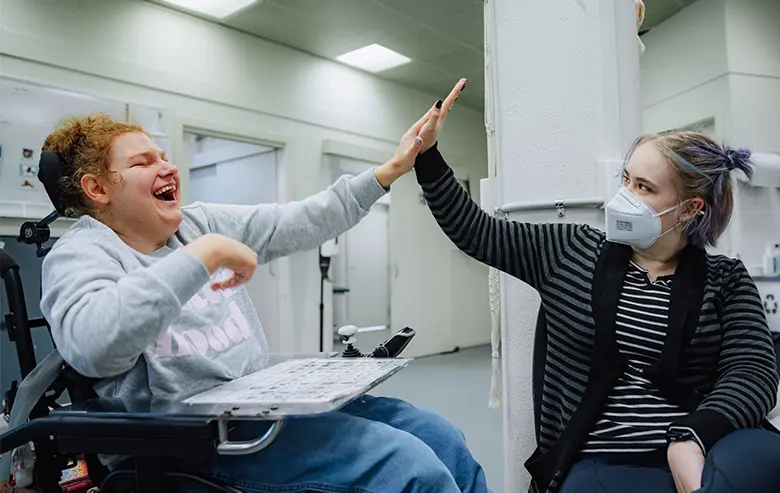
NDIS community participation refers to funded supports that help people with disability take part in social, recreational, cultural, and civic life outside the home. The NDIS recognises that community connection, social relationships, and participation in everyday life are not optional for wellbeing. They are central to it. For many participants, disability creates real barriers to joining in activities that others access without thinking. Community participation funding exists to remove those barriers.
Importantly, this funding pays for the support you need to participate, not the cost of the activity itself. The NDIS will fund a support worker’s time at your weekly swimming class, but not the swim centre membership. It will fund transport assistance related to your disability, but not general transport costs you would pay regardless. The distinction matters and it comes up repeatedly in planning conversations.
The official category name is Assistance with Social, Economic and Community Participation, sitting under Core Supports in your plan. A separate but related category called Increased Social and Community Participation sits under Capacity Building. Many participants have both. They serve different purposes, and understanding the difference changes how you use your funding.
The Two Types of Community Participation Funding
Core Supports: Assistance with Social, Economic and Community Participation
This is the most common form of community participation funding. It covers ongoing, regular support for activities you want to take part in right now. Think of it as “doing with” support. A worker accompanies you, assists you, and enables you to participate in activities you could not attend safely or independently due to your disability.
Support is claimed against line items in the NDIS Support Catalogue, such as 04_104_0125_6_1 for standard weekday support. Weekend, public holiday and group rates differ, and all prices are capped by the current NDIS Pricing Arrangements and Price Limits.
Core community participation funding is flexible within the community participation category. You cannot redirect it to personal care or daily living. Within community participation, however, you can use it across a range of activities without justifying each individual outing. This flexibility makes it the most practical form of community participation funding for regular weekly use.
Capacity Building: Increased Social and Community Participation
This category funds structured, time-limited programs designed to build your skills so you can participate more independently in the future. The logic is investment: you complete a program, build a capability, and then need less ongoing support to maintain that participation.
Examples include public transport training, social skills programs, community access programs for people with autism or intellectual disability, and structured volunteer placement programs. The main support line items begin with 09_011 and 09_009 in the price catalogue.
Unlike Core Supports, Capacity Building is not for open-ended ongoing support. It is time-limited and goal-focused. Once the skill is built, the expectation is that less funding will be needed. If your Capacity Building community participation funding has been running for years without measurable skill development, a planner may question whether it is achieving its intended purpose.
What Activities Does NDIS Community Participation Cover?
The range of activities that community participation can fund is broad. The key test is not what the activity is. It is whether your disability creates a genuine barrier to participation and whether the support requested directly removes that barrier.
Activities that commonly qualify include:
- Social groups, clubs, and community gatherings
- Sports and recreation such as swimming, gym, cycling, or team sports with support
- Arts, music, drama, and creative programs
- Volunteering placements with disability-related support
- Cultural and religious activities and events
- Visiting friends and family with support
- Community learning and skill-building programs
- Shopping and community errands with support
- Overnight camps, festivals, or weekend trips (support worker costs only)
- Online community participation where disability creates a specific barrier to access
Activities are not approved or declined based on the category they fall into. They are approved or declined based on whether the support is reasonable and necessary, related to disability, and not something a mainstream service should provide. A participant who uses a wheelchair and wants to attend a weekly basketball club can have support worker costs funded. A participant who chooses not to go to a club they could attend independently generally cannot.
What NDIS Community Participation Does NOT Pay For
This is where many participants encounter confusion, and it is worth being explicit. Community participation funding does not cover:
- Activity fees and memberships: gym memberships, sport club fees, event tickets, museum entry, class fees, and venue access are the participant’s personal cost
- Food and drink at activities: meals, coffees, and personal consumables during outings are not funded
- Transport you would pay regardless: taxi fares or public transport costs that are not related to your specific disability-related transport need
- Activities you could independently attend: if a person can attend an activity without disability-related support, that activity’s support cost is generally not fundable
- General socialising without a disability barrier: spending time with friends you can access independently is not a fundable community participation support
- Mainstream community services: activities and programs available to all Australians through mainstream services (councils, libraries, community centres) that have no disability-specific barrier for you personally
Support workers can be funded for their time and transport costs when accompanying a participant to any of the activities listed above. The participant must meet the reasonable and necessary test for that support.
How Community Participation Is Priced
Support is claimed against line items in the NDIS Support Catalogue, for example 04_104_0125_6_1 for standard weekday support. The maximum prices are set by the NDIS Pricing Arrangements and Price Limits, which are updated each year, so check the current version on ndis.gov.au. Weekend, public holiday and high-intensity support has higher limits, and group support, where one worker supports two or three participants, costs less per person.
Providers can’t charge more than the price limit for a support. If you’re unsure what a provider will charge, ask for a written service agreement before you start.
NDIS Community Participation Funding Changes From 1 October 2026
On 1 October 2026 the NDIA announced that some NDIS support budgets will change over the coming 12 months. The change reduces participant budgets for two support categories: Social, Economic and Community Participation, and Improved Daily Living Skills.
When the change applies to your plan
The change doesn't happen to every plan on the same day. It is applied as plans are created or reassessed from 1 October 2026, or renewed from 1 February 2027. The NDIA says the impact will be different for each participant, so the best guide to your own situation is your new plan when it arrives.
What isn't affected
Within these two categories, some supports aren't affected: employment supports, disability-related health supports, high intensity supports, intensive and complex behaviour supports, customised and wearable technology, and hearing services.
Other parts of your plan aren't affected either. That includes help with eating, drinking, dressing, toileting, laundry and cleaning, nurse care and medication, home and vehicle modifications, personal mobility equipment, and specialist disability accommodation. The NDIA has published a list of unaffected supports and Easy Read guides on its website.
Reviews, reassessments and plan variations
The NDIA says this change isn't a reviewable decision. You can still ask for a plan reassessment or plan variation if there has been a significant and ongoing change to your ability to complete daily activities, your living arrangements, your education or employment circumstances, or the informal supports available to you.
There is also a new plan variation pathway for participants who receive 24-hour funded NDIS supports, with a budget threshold. You can read more on the NDIA's what is a plan variation page, or ask your Support Coordinator whether it applies to you.
For the full official details, see the NDIA's Changes to support budgets from 1 October page.
Planning Ahead With Your Community Participation Supports
A few simple steps can help you feel prepared for your next plan.
Know when your plan is due. Check when your plan is due to be reassessed or renewed, so you know roughly when the change may apply to you.
Look at how you use your supports. Knowing which activities and supports matter most to you makes it easier to talk with providers and plan your week once your new plan arrives.
Talk to your providers about options. Ask how your activities could be arranged, for example group programs alongside one-to-one support, so you keep doing the things that matter to you.
Speak with your Support Coordinator. A Support Coordinator can explain your new plan, talk through whether a reassessment or variation might be relevant if your circumstances have changed, and connect you with supports that fit. Tenax Supports’ Support Coordination service can help.
Keep your goals clear. Clear goals about social connection and community access make planning conversations easier and help you prioritise the supports you value most.
How to Get Community Participation Into Your NDIS Plan
If community participation funding is not currently in your plan, here is how to get it included.
Start by identifying specific goals related to community connection, social participation, or skill development. These goals need to be specific enough that a planner can see why disability-related support is required to achieve them. “I want to attend my local swimming group each week, and my wheelchair needs mean I require a support worker to get there safely” is a specific, fundable goal. “I want to be more social” is not.
Gather supporting evidence from a treating professional. An occupational therapist, psychologist, or allied health clinician can write a report or letter explaining the disability-related barriers to participation and the support required to address them. An OT Functional Capacity Assessment is often the most useful document, but a targeted letter from a GP or specialist can also support a specific goal.
Raise community participation at your planning meeting or plan review. Be specific about the type of support you need, the frequency, and the activities involved. If your plan is NDIA-managed and you want to use group programs, confirm that the provider is registered. Plan-managed and self-managed participants have more flexibility in provider choice.
If community participation is already in your plan but you feel the allocation is insufficient for your goals, raise this with your Support Coordinator before your next review. Documenting actual usage and unmet goals strengthens a case for increased funding.
Community Participation and Tenax Supports’ Community Access Service
At Tenax Supports, community participation is not a stand-alone support. It works alongside other supports in a participant’s plan to build confidence, independence, and connection to the community.
Our Community Access service is built around this connection. We support participants to get out into the community, take part in activities and groups, and build the confidence and daily living skills that make regular participation possible.
For NDIS participants, this work often complements other supports in the plan. A participant building daily living or social skills through Capacity Building supports may also use community participation funding to put those skills into practice out in the community. The two funding categories work together rather than competing, provided the goals are clearly documented in the plan.
Why Choose Tenax Supports for Community Participation Support
Tenax Supports is a Victoria-based registered NDIS provider offering Supported Independent Living, Support Coordination, In-Home Support, and Community Access services.
For many people, community participation is not just about attending a single activity. It can be about reconnecting with the world after a period of difficulty, building enough confidence to leave the home, and establishing the daily routines that make independence possible.
Our broader NDIS services work together to support this. Support Coordination connects participants with the right providers, including allied health professionals such as occupational therapists, physiotherapists, psychologists, speech pathologists, and behaviour support practitioners, to address the needs that sit behind participation barriers. Supported Independent Living stabilises the living situation that makes consistent community access possible. Our Community Access service supports people to build confidence and connection in the community.
For related reading, see our guides to the NDIS in Australia and NDIS Occupational Therapy.
For current information on Tenax Supports’ NDIS registration and the services for which registration applies, search the NDIS Commission Provider Register at ndiscommission.gov.au.
Contact Tenax Supports at tenaxsupports.com.au/contact or call 03 7018 8666. Referrals can be submitted at tenaxsupports.com.au/referrals.
Frequently Asked Questions About NDIS Community Participation
NDIS community participation refers to funded supports that help people with disability take part in social, recreational, cultural, and civic activities outside the home. It sits across two NDIS budget categories. Assistance with Social, Economic and Community Participation (Core Supports) funds ongoing support. Increased Social and Community Participation (Capacity Building) funds structured skill-building programs. The NDIS funds the support cost, not the activity fee, membership, or personal expenses.
Community participation can fund support for social groups, sports and recreation, arts programs, volunteering, learning new skills, visiting friends and family, accessing community facilities, and cultural activities. It can also cover support worker costs for overnight camps or weekend events. The NDIS funds the disability support required to participate, not the activity cost itself such as entry fees, memberships, or meals.
What does NDIS community participation NOT pay for?
Community participation does not pay for gym memberships, event tickets, class fees, venue entry, food and drinks, general transport, or everyday social costs. It also does not fund activities you could independently attend without disability-related support. The funding covers the disability support component only: the support worker’s time, disability-related transport costs, and structured skill-building programs.
How is NDIS community participation priced?
Support is claimed against line items in the NDIS Support Catalogue, for example 04_104_0125_6_1 for standard weekday support. The maximum prices are set by the NDIS Pricing Arrangements and Price Limits, which are updated each year, so check the current version on ndis.gov.au. Weekend, public holiday and high-intensity support has higher limits, and group support, where one worker supports two or three participants, costs less per person.
What is the difference between Core and Capacity Building community participation?
Core Supports community participation (Assistance with Social, Economic and Community Participation) funds ongoing support for participation right now: a support worker accompanying you to regular activities. Capacity Building community participation (Increased Social and Community Participation) funds structured, time-limited programs to build your skills for more independent participation in the future, such as public transport training or a social skills program. Core is flexible and ongoing; Capacity Building is goal-focused and time-limited.
What are the NDIS community participation funding changes from 1 October 2026?
The NDIA has announced that participant budgets for Social, Economic and Community Participation and Improved Daily Living Skills will be reduced as plans are created or reassessed from 1 October 2026, or renewed from 1 February 2027. The impact is different for each participant. Some supports in these categories, such as employment supports, aren't affected, and other parts of your plan, like personal care, home modifications and specialist disability accommodation, aren't affected either. The change isn't a reviewable decision, but you can ask for a plan reassessment or variation if your circumstances have had a significant and ongoing change.
What is NDIS community access?
Community access is the everyday name for support funded under Assistance with Social, Economic and Community Participation. A support worker helps you get out into the community and take part in activities, groups, sport, volunteering and events that your disability would otherwise make hard to join. Tenax Supports offers Community Access support.
What are examples of increased social and community participation?
Increased Social and Community Participation is Capacity Building funding for time-limited programs that build your skills, such as public transport training, social skills groups, structured community access programs and supported volunteering placements. The aim is that you need less support over time.
How do I get community participation funding in my NDIS plan?
Establish specific goals about social connection, community access, or skill development in your plan. Provide evidence from a treating health professional explaining why disability-related support is needed and what barriers exist. Raise these goals at your planning meeting or plan review. If community participation is already in your plan but insufficient, document your actual usage and unmet goals and raise this with your Support Coordinator before your next review.